Enhancing Marital Bonds

Enhancing Marital Bonds: The Beneficial Role of Professional Marriage Counselling and Conflict Resolution Strategies
Settling into married life can be a bit like navigating choppy seas. You are two people with different backgrounds, life experiences, and ways of thinking. It’s inevitable that you’ll encounter disagreements, miscommunication, and perhaps even deeply rooted conflicts.
But fear not, every marriage can weather the storm with the right tools and strategies. A vital tool in this journey is professional marriage counselling, coupled with effective conflict resolution strategies.
This guide will reveal how these resources can help build stronger, happier, and healthier marital bonds. So let’s dive in!
The Power of Professional Marriage Counselling
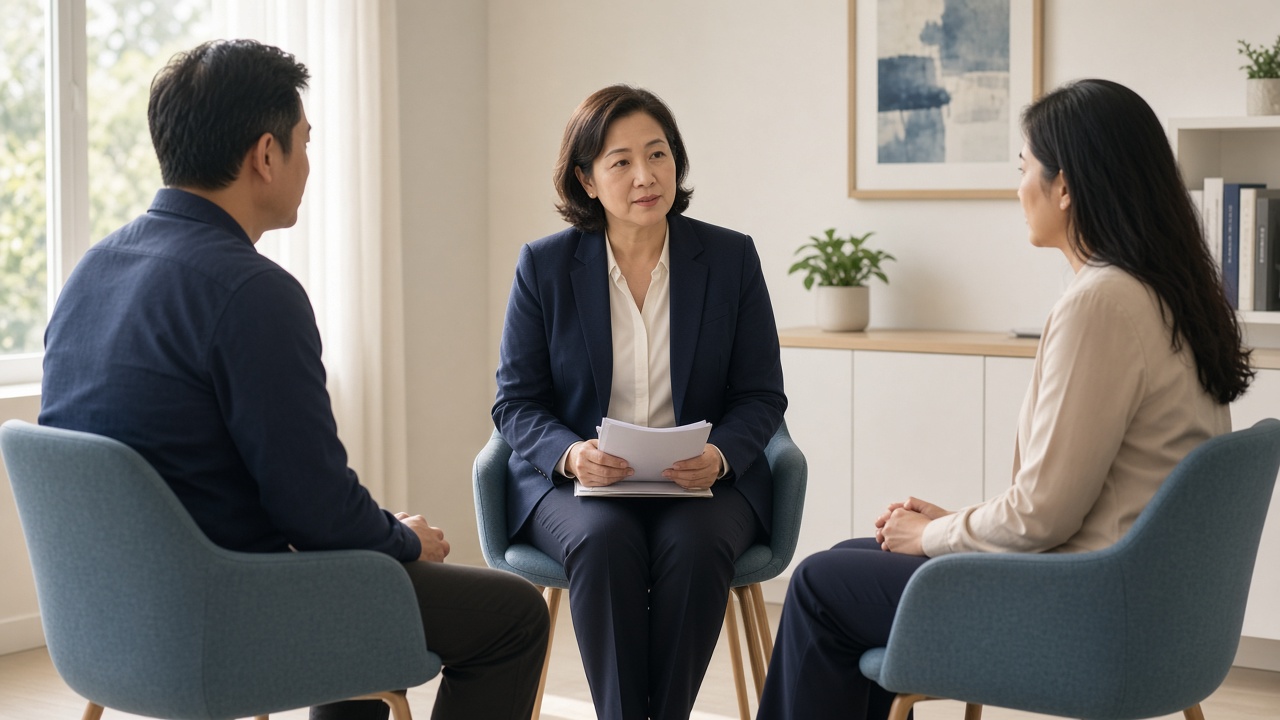
Marriage counselling is a type of psychotherapy dedicated to helping couples – married or not – understand and resolve conflicts in order to improve their relationship. Often provided by licensed therapists known as marriage and family therapists, this procedure may range from short-term conflict-solving scenarios to longer-term therapies.
The effectiveness lies in the fact that this form of therapy is specifically designed to address issues within the context of a couple’s relationship. The therapist provides a safe, impartial environment where each partner can express their feelings and needs without judgement or interruption. The primary role of the therapist is not to solve problems, but to help couples develop the skills, attitudes, and behaviours necessary to manage issues themselves.
So, why is professional marriage counselling so important? Because couples are often so close to their problems, they may struggle to see the bigger picture. They may have trouble understanding how their past and present circumstances are affecting their relationship. By stepping back, focusing on the relationship as a whole, and learning to tackle conflicts together, couples can not only navigate their current issues but also prevent future rupture.
Marriage counselling serves an essential role in enhancing marital bonds because it encourages open communication. It helps couples change dysfunctional behaviour, lessens emotional avoidance and improves communication, thereby strengthening the relationship. With the guidance of a counsellor, couples can take a sober look at their relationship dynamics, see what’s working, what needs work, and make positive changes together.
In essence, marriage counselling lays the foundation for a stronger, healthier, and happier marriage by fostering understanding, providing tools for conflict resolution, and creating a space for personal and mutual growth. It’s your guiding beacon in the sometimes stormy journey of marriage.
Understanding the Benefits of Counselling in a Marriage
Counselling can provide a lifeline for many marriages, offering a space for open communication, mutual understanding, and growth. This process brings several significant benefits to a relationship:
Facilitates Emotional Healing
Enables Better Communication
Promotes Personal Growth
Reiterates the Importance of Commitment
Enhances Intimacy and Connection
Section Summary
While counselling does not guarantee the complete resolution of all relationship issues, it equips couples with effective strategies for addressing them. Periods of heartache and frustration can serve as invitations for individuals and couples to grow. Guided by a skilled counsellor, vulnerability and adversity can become stepping stones towards a stronger, happier, and healthier marital bond.
Improving Communication in Marriage through Therapy
One of the foundational aspects of a thriving marriage is effective and understanding communication. While this in retrospect may seem a simple task, it is often one of the most complex skills to foster in a marital relationship. The beauty of professional marriage counselling is how it sharpens this tool, building upon it to enhance the couple’s trust, empathy, and overall comfort in expressing their feelings.
Professional marriage counsellors focus on assisting couples to break free from the cycle of negative communication patterns, helping them to develop healthier and more effective means of expressing their thoughts, needs, and emotions. These patterns can range from avoiding difficult yet crucial discussions to a breakdown in respectful dialogue which could breed resentment.
For instance, an excellent case study is the “ResearchGate” publication, which presents comprehensive insights into communication barriers in close relationships. Challenges such as non-verbal cues being misinterpreted, difficulty in expressing emotions, or lack of active listening can all act as barriers to a healthy relationship.
Professional marriage counselling exercises help unearth these challenges, providing a safe space where couples can voice their feelings and fears without fear of judgement, backlash, or the conversation spiraling into a disagreement. Counsellors introduce and refine communication techniques such as ‘I’ statements – guiding individuals to express their feelings instead of accusing their partners – and active listening, which involves hearing, understanding, and acknowledging their partner’s points of view.
Exploring Conflict Resolution Strategies
Conflict resolution. These two words might sound scholarly, but in the realm of a marriage, they can be a lifesaver. It represents the strategies and techniques for resolving disagreements, reducing tensions, and finding a middle ground. In essence, it serves as the peacemaker in any marital strife. Let’s not understate it – conflict resolution is a pretty big deal in marriage.
So, how do you unlock this magical mystery door to matrimonial bliss? Put simply, it’s attained through learning and practice. And who better to guide you than a professional counsellor? Let’s consider some of the conflict resolution strategies you can gain from professional counselling.
First up, “Active Listening.” Sounds simple, right? You might be surprised at how often this basic rule of thumb is ignored. In active listening, you focus completely on your partner, absorbing and understanding their viewpoint without interruption, judgement, criticism, or preparing your rebuttal. It’s all about empathetic understanding.
Next is “Emotional Intelligence.” Before you go “Oh no! Don’t tell me I have to become a psychic?!” – no, it’s just about identifying and managing your own emotions and those of your partner. Emotional intelligence involves self-awareness, self-control, empathy, and relationship management. Knowing how to engage and manage your emotions can transform conflicted discussions into constructive conversations.
Finally, “Negotiation Skills.” Nope, this isn’t about who gets the last slice of pizza (although it could be!). It’s about finding a fair compromise where both parties come out with mutual satisfaction. A professional counsellor can help you navigate these sticky situations where both of you are locked in a stalemate.
Now, remember, mastering these strategies doesn’t happen overnight, but learning and practising can significantly minimise conflicts, generate understanding, and cultivate a nurturing environment for your love to thrive. Sounds worth a shot, doesn’t it?
Tackling Relationship Issues: Role of Couples Therapy
The challenges encountered in a marriage can range from mild misunderstandings to deep-seated issues that can put the relationship at risk. Couples therapy serves as a valuable ally in tackling these problems, often considered necessary when conflicts become unmanageable, communication breaks down or the relationship seems to be at the brink of separation.
What exactly is couples therapy? Simply put, it’s a kind of psychotherapy in which a therapist with specialised training—usually a Licensed Marriage and Family Therapist (LMFT)—assists spouses or partners to recognise underlying conflicts, improve their relationship, and find a resolution.
One common issue many couples face is lack of effective communication. In situations like these, a couples therapist can help by teaching the couple effective ways to express their thoughts and feelings, empathise with each other’s perspectives, and clearly articulate what they need from one another. This forms the foundation for open dialogue, helping couples understand their partners better, and fostering mutual respect.
Another frequent challenge lies in the power dynamics of relationships, often related to gender norms, familial influences, or societal pressure. A skilled therapist can help identify these undercurrents, improving the couple’s understanding of their dynamic and aiding in the development of healthier, more egalitarian interactions.
Moreover, grappling with infidelity is a serious setback for many couples, leading to a breakdown of trust. Couples therapy has shown significant success in aiding the healing journey for many of these relationships. Through intensive counselling and exercises in trust-building, therapy can gradually repair the bond and heal emotional wounds.
One such case study showcases this very scenario. A couple, let’s call them Ana and Carlos, had been struggling with the aftermath of an infidelity incident. After some months of attending regular therapy sessions, they learned to communicate their feelings openly, understood the reasons leading to the infidelity, and worked towards rebuilding trust within their relationship. It took time and work, but eventually, they renewed their commitment to one another, marking a substantial improvement in their relationship.
In summary, couples therapy provides a supportive platform to work through the myriad of potential challenges that couples may face, offering strategies and insights to improve understanding, facilitate communication, and ultimately, strengthen the relationship bonds. Whether you’re grappling with communication gaps, trust issues, or power imbalances, couples therapy can provide the vital guidance and support needed to navigate through these rough patches in your marital journey.
The Proactive Approach: Prevention is Better than Cure
Frequently, couples wait until they’re deep in the trenches of relationship problems before considering marriage counselling. Imagine, though, if you were able to intercept these issues before they turned into full-blown crises? This is where the proactive approach to marriage counselling comes into play.
Marriage counselling isn’t just there for damage control; it can also be utilised as a preventive measure. This preemptive approach helps couples foster a resilient relationship – and consistently so. By diving into counselling early on, even before having major bumps along the road of your union, you can defuse issues before they escalate and impact the marital bond.
Proactive marriage counselling can go beyond conflict resolution. It’s like a regular tune-up for your marriage, ensuring everything runs as smoothly as possible. It can enable couples to explore potential areas of disagreement, deal with them accordingly, and strengthen communication pathways — all of which translates to better understanding and compatibility.
Furthermore, proactive counselling equips couples with the tools to face future challenges. It looks at individual growth, coupled with growth as a team. It’s about helping couples learn healthy habits for a successful relationship like effective communication, nuanced understanding, empathy, and compromise. More than a band-aid solution, proactive counselling helps couples develop abilities that would solidify their bond in the face of adversity.
Prevention, as they say, is better than cure and the same philosophy applies to creating healthy marriages. Rather than waiting for issues to occur and then attempt to mend them, it’s far more effective and less pain-staking to strengthen the foundation preemptively. For, a strong, enduring marriage isn’t built overnight, nor does it grow without a fair share of nurturing and effort.
Embracing Therapy for a Stronger Bond
Marriage counselling and conflict resolution strategies are often seen as last resort options for ‘troubled’ marriages. However, they are in fact proactive measures that equip couples to navigate the highs and lows of their relationship with resilience, understanding, and deepening emotional intimacy. They’re not just about resolving current issues, they’re about strengthening the marital bond to withstand future ones.
The Role of Professional Marriage Counselling
Professional counselling does more than provide a safe platform for communication and resolving issues:
Effective Conflict Resolution Strategies
Conflict resolution strategies, on the other hand, arm couples with the ability to navigate disagreements without damaging the relationship’s foundation. They provide ways to:
Therapy is not just for ‘troubled’ marriages. It can help couples navigate their relationship and fortify their bonds. Professional marriage counselling provides a safe platform for communication and resolution of issues while encouraging a deeper understanding of each other. Conflict resolution strategies help convert conflicts into opportunities for growth. Both of these tools are about building a healthier, happier, and stronger bond – one that can stand against all odds. Thus, professional marriage counselling and conflict resolution strategies are vital tools to consider for enriching and strengthening any marital journey.
Resources for Marriage Support
Embarking on the journey of marital enhancement through counselling and effective conflict resolution strategies shouldn’t be done alone. Fortunately, there are numerous resources accessible to couples that offer guided help and support. Here are some of the important ones:
Remember that each journey is unique, and what works for one couple may not work for another. The key is to find resources and strategies that resonate with both of you. Open communication, mutual understanding, and compromise are the lifeblood of any relationship. With these tools and strategies at your disposal, you’re better equipped to navigate your marital journey — a journey filled with respect, love, and a shared lifetime of companionship.
Frequently asked questions
What is this article about?
Settling into married life can be a bit like navigating choppy seas. You are two people with different backgrounds, life experiences, and ways of thinking. It’s inevitable that you’ll encounter disagreements, miscommunication, and perhaps even deeply rooted conflicts.
What does this article cover on enhancing Marital Bonds: The Beneficial Role of Professional Marriag?
Settling into married life can be a bit like navigating choppy seas. You are two people with different backgrounds, life experiences, and ways of thinking. It’s inevitable that you’ll encounter disagreements, miscommunication, and perhaps even deeply rooted conflicts. But fear not, every marriage can weather the storm with the right tools and strategies. A vital tool in this.
What does this article cover on the Power of Professional Marriage Counselling?
Marriage counselling is a type of psychotherapy dedicated to helping couples – married or not – understand and resolve conflicts in order to improve their relationship. Often provided by licensed therapists known as marriage and family therapists, this procedure may range from short-term conflict-solving scenarios to longer-term therapies. The effectiveness lies in the fact.
What does this article cover on understanding the Benefits of Counselling in a Marriage?
Counselling can provide a lifeline for many marriages, offering a space for open communication, mutual understanding, and growth. This process brings several significant benefits to a relationship:
If the strain is showing up at home and at work, couples counselling and online therapy are the usual next steps. Workplaces can also start with an Employee Assistance Programme.